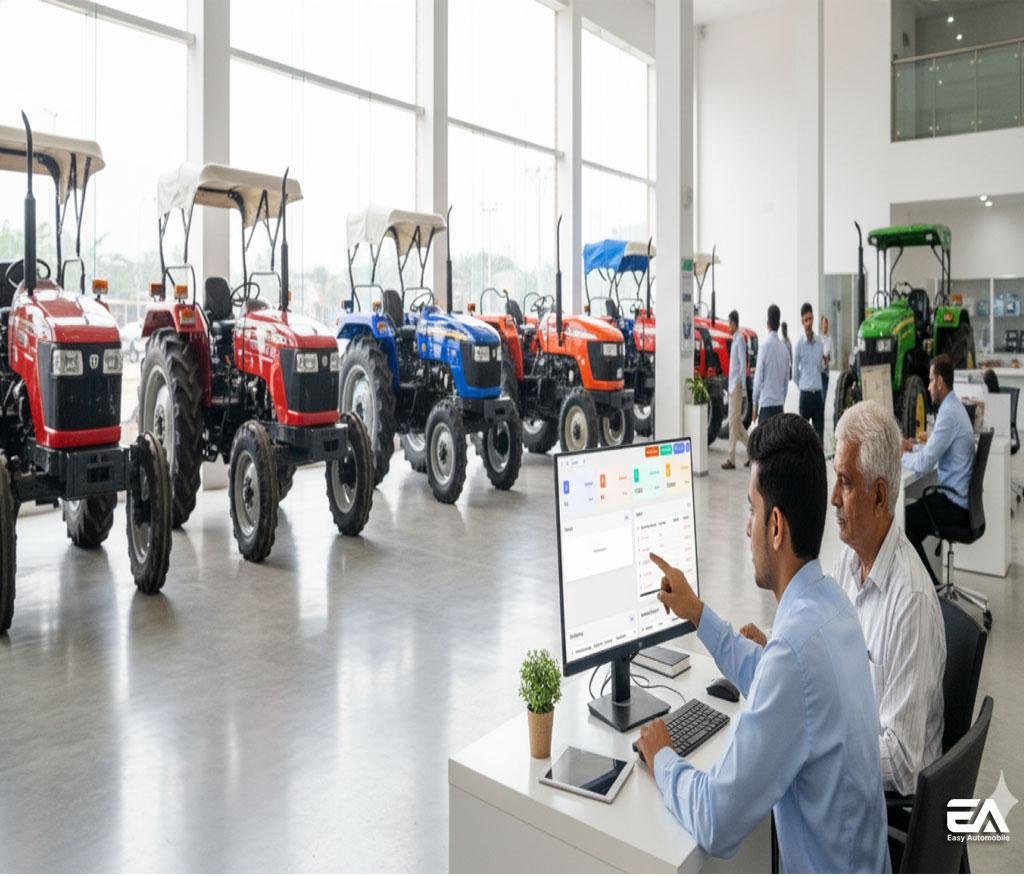
Getting leads is not the biggest challenge for an agricultural equipment dealer anymore.
The real challenge is converting those leads into actual sales.
A farmer may enquire about a tractor, rotavator, harvester, or other agricultural equipment today. But if the dealer calls late, misses the enquiry, gives the wrong information, or forgets to follow up, that lead can easily go to another dealer.
In agricultural sales, speed and follow-up matter.
But there is another important factor: not every lead is equally valuable.
A dealer needs to know which customer is genuinely looking to buy, what equipment they need, where they are located, and when they are planning to purchase.
That is where a proper lead management system can make a difference.
1. Don't Treat Every Lead the Same
One of the common mistakes dealers make is treating every enquiry as just another phone number.
Consider two leads:
Lead A:
“Need information about tractor.”
Lead B:
“Farmer from Davangere, owns 12 acres, looking for a 50 HP tractor for farming, wants to purchase within the next month.”
Both are leads, but Lead B gives the sales team much more useful information.
The more a dealer understands the customer's requirement, the better the chance of having a meaningful conversation.
This is why prequalified agricultural leads can be much more useful than simply increasing the number of enquiries.
2. Follow Up While the Customer Is Still Interested
Farmers are busy. Their requirements can change quickly.
If a customer enquires today and receives a response two or three days later, there is a good chance they have already spoken with someone else.
A simple process can help:
New Lead → Instant Alert → Call → Understand Requirement → Follow-up → Demo → Negotiation → Sale
The important part is that the process should not depend completely on someone's memory.
A good dealer CRM helps the team know:
- Which leads are new
- Who has been contacted
- Who needs a follow-up
- Which customers requested a demo
- Which leads are close to purchase
- Which opportunities have been lost
This gives the sales team a clear picture of the pipeline.
3. Match the Lead With the Right Dealer
Agricultural equipment sales are highly local.
A farmer may be interested in a particular tractor brand, but the nearest dealer may not be the right dealer for that requirement or location.
This is where intelligent dealer matching becomes valuable.
A lead can be matched based on factors such as:
Location + Brand + Product + Requirement + Dealer Territory
Instead of sending the same enquiry everywhere, the right opportunity can reach the dealer who is actually in a position to serve that customer.
That can improve both the farmer's experience and the dealer's chances of conversion.
4. Make Calling and Follow-Ups Simple
Sales teams lose opportunities when basic actions take too much time.
Opening multiple applications, searching for customer numbers, checking old messages, and maintaining separate spreadsheets can slow down the sales process.
A dealer CRM should make the important actions simple:
See Lead → Call → Update Status → Schedule Follow-up
Even small improvements in this process can help a sales team handle more opportunities without increasing its workload.
5. Know Why Leads Are Getting Lost
Not every lead will become a sale.
But dealers should know why.
Was the customer:
- Not ready to buy?
- Looking for another brand?
- Outside the dealer's area?
- Unable to arrange financing?
- Looking for a different model?
- Already purchased from another dealer?
- Never contacted?
Without this information, dealers may continue spending money to generate more leads without understanding what is happening after the enquiry.
With proper lead analytics, dealers can identify where the sales process is working and where it needs improvement.
6. Don't Stop at Lead Generation
A lead-generation campaign is only the beginning.
The real business value comes from what happens after the lead arrives.
More leads ≠ more sales.
A better formula is:
Right Lead + Fast Response + Proper Follow-Up + Right Dealer + Better Customer Understanding = More Sales Opportunities
This is where technology becomes useful—not by replacing the dealer, but by helping the dealer work better.
7. The Future of Agricultural Sales Is Connected
Agricultural equipment buying is becoming more digital, but the dealer relationship is still extremely important.
Farmers want to speak to someone they can trust. They want product information, demonstrations, financing guidance, delivery support, and after-sales service.
The winning model is therefore not simply online or offline.
It is a combination of both.
Digital technology brings the opportunity.
The dealer builds the relationship.
The sales team converts the opportunity.
Platforms like Samparkasetu are built around this connected approach, bringing together prequalified leads, dealer matching, CRM, AI-powered workflows, analytics, and communication tools for the agricultural ecosystem.
The Bottom Line
Agricultural dealers don't necessarily need more leads.
They need better leads, faster follow-ups, better visibility, and a clear process from enquiry to sale.
When every lead is tracked, every follow-up is visible, and the right customer reaches the right dealer, sales teams can spend less time managing enquiries and more time actually selling.
The next generation of agricultural dealerships will not be built only on showroom strength. They will be built on how intelligently they manage every customer opportunity.
For more information about dealer CRM, prequalified leads, and AI-powered solutions for agricultural businesses, visit Samparkasetu.
See how Samparkasetu connects the ecosystem
Explore our AI-powered CRM and lead-matching platform built for India's agri-dealers and OEMs.